Do you know that Many People don’t know that we have Indigenous Igbos in Akwaibom state. Yesterday, I mentioned Akwaibom as being an Igbo State and some people doubted it. But as always, we deal with facts, not propaganda. If you don’t know something, ask – and I will gladly explain.
Akwa Ibom is commonly said to consist of Ibibio, Annang, Ekid, Obolo, and Oron ethnic groups. But beyond these well-known groups, the state also has an authentic, indigenous Igbo tribe
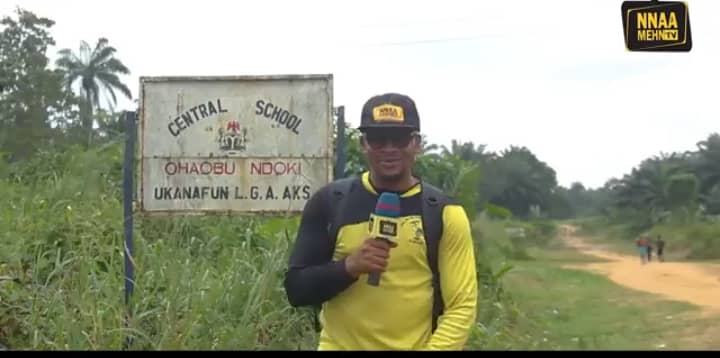
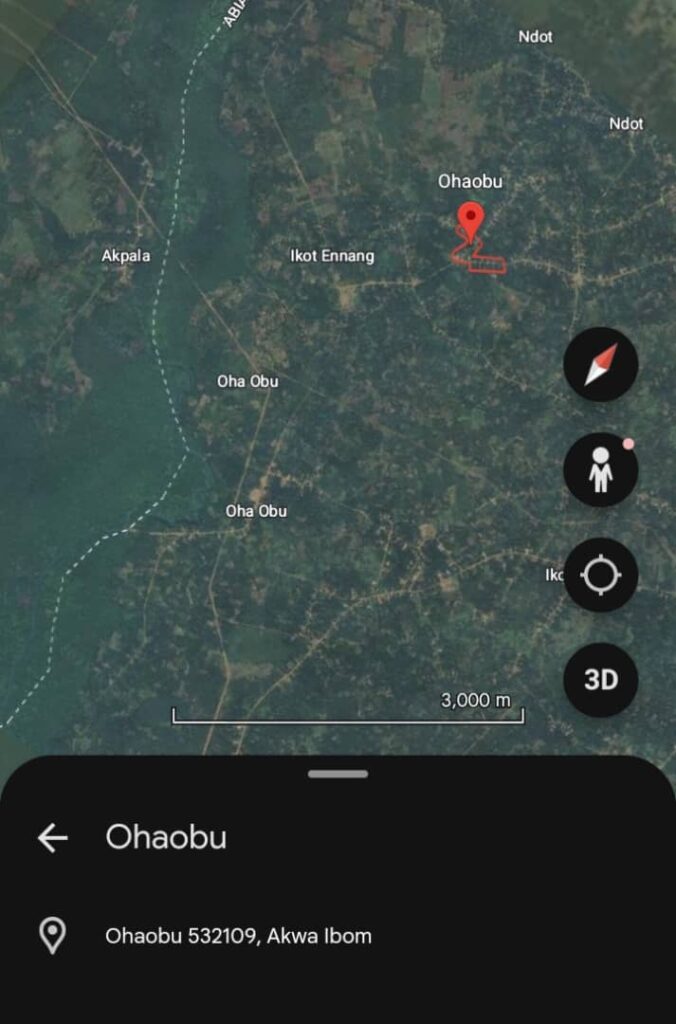
The name of the community is Ohaobu Ndoki. The Akwaibom state government has mischievously tried to annex the area by renaming the village Ikot Udo Inyang II but it was met with stiff rejection by the Ohaobu Ndoki who despite being overwhelmed by their Annang neighbours in Ukanafun, they have maintained their distinct Igbo culture and speak their clear Igbo language till date.
Ohaobu Ndoki is a full-blooded Igbo community situated in Ukanafun Local Government Area of Akwa Ibom State. The people are part of the larger Ndoki Igbo subgroup, a culturally colourful group known across Abia and Rivers States. They speak clear Igbo language, practice Igbo traditions, and maintain strong ancestral ties to other Ndoki communities.
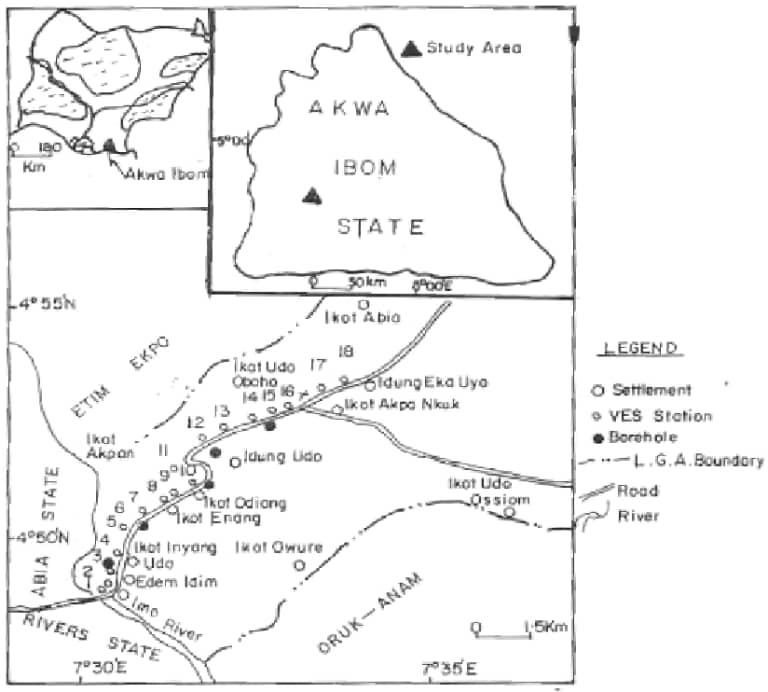
Ohaobu Ndoki is bounded on the east by Ikot Inyang Udo, on the south by Edem Idim, on the north by Ikpe Annang village of Etim Ekpo LGA and on the west by the Azumini Blue River which separates Ohaobu people from their kith and kin in Ukwa West LGA of Abia State and Oyigbo LGA in Rivers State.
Historically, Ohaobu used to be part of old Imo State (from which Abia State was created in 1991). In 1987, the village was made part of old Cross River State. Shortly after, Akwa Ibom State was created, and Ohaobu found itself inside its borders—not by choice, but by political decision.
The river was used as a natural boundary, based on the recommendation of the Boundary Adjustment Committee chaired by Late Alhaji Kaloma Ali, a lawyer and politician who subsequently served as Minister for Solid Minerals’ Development during the regime of his close associate, Late General Sani Abacha. based on a bound
Despite this shift, the people of Ohaobu never lost their Igbo identity. They have held tightly to their language, names, customs, and traditions even while surrounded by their Annang neighbours.
Over the years, there have been deliberate attempts to rewrite the Igbo identity of Ohaobu. The Akwa Ibom State Government, in its Gazette of the year 2000, renamed the village Ikot Inyang Udo II. There’s Ikot Inyang Udo I, a nearby Annang community. But the Ohaobu people firmly rejected this. To them, the name “Ohaobu” carries the spirit of their identity.
Ohaobu is coined from two Igbo words Oha which means “people” and “Obu” which refers to heart as well as where a King lives or ọkpara, first son of a large extended family receives visitors. Ohaobu simply means the People’s heart or people’s palace.
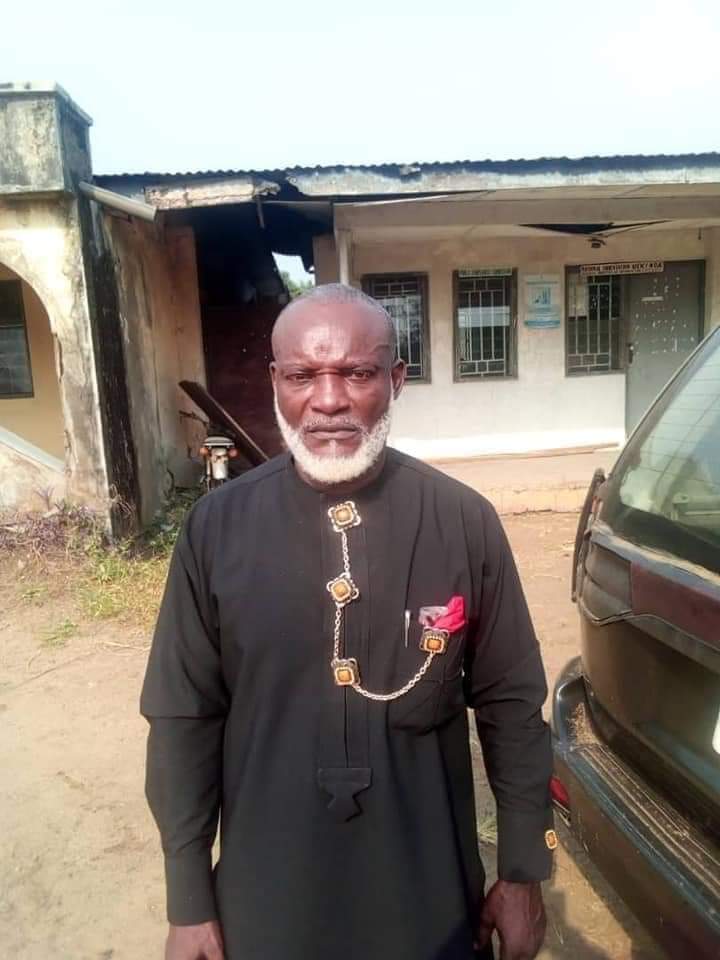
This love for their heritage was clearly demonstrated when the Eze-elect, Chief Lucky Nwosu, rejected his certificate of recognition in November 2023 because it bore the government’s imposed name instead of “Ohaobu.” He boldly insisted:
“We want the certificate in the name of Ohaobu. We are proud to be in Akwa Ibom, but we want our identity respected.”
His stand reflects the determination of a people who refuse to be erased.
Ohaobu consists of four villages: Akpala, Okpikro, Umuchuta, and Ohaobu, and has a population of over 20,000 people. They share cultural, linguistic, historical, and ancestral ties with Ndoki communities in Ukwa East and Ukwa West (Abia State), Oyigbo (Rivers State), and beyond. The Azumini Blue River stands between Ohaobu and their kinsmen in Abia and Rivers, yet the bond remains unbroken.
The Ndoki and Asa Igbo people dominate the oil-rich Ukwa East and Ukwa West LGAs in Abia, and Oyigbo LGA in Rivers – home to the Afam Power Station. Ohaobu, though now inside Akwa Ibom, belongs to this same Igbo heritage and lineage.
From the foregoing, it is crystal clear that Akwa Ibom State has her own indigenous Igbo population and not just Igbo residents (mainly businessmen) from Abia, Anambra, Delta, Ebonyi, Enugu, Imo and Rivers States.
It is now clear that Akwa Ibom State is not made up of only five ethnic groups. Whenever the ethnic groups in the state are listed, Igbo must also be mentioned. Ohaobu is not an Igbo settlement or migrant community; it is an indigenous Igbo land that predates the creation of Akwa Ibom State.
There are also other Igbo-speaking communities in Ika, Ini, and border areas of the state. But Ohaobu stands out because it is deep inside Akwa Ibom territory yet has obdurately and successfully preserved its Igbo essence from generation to generation.
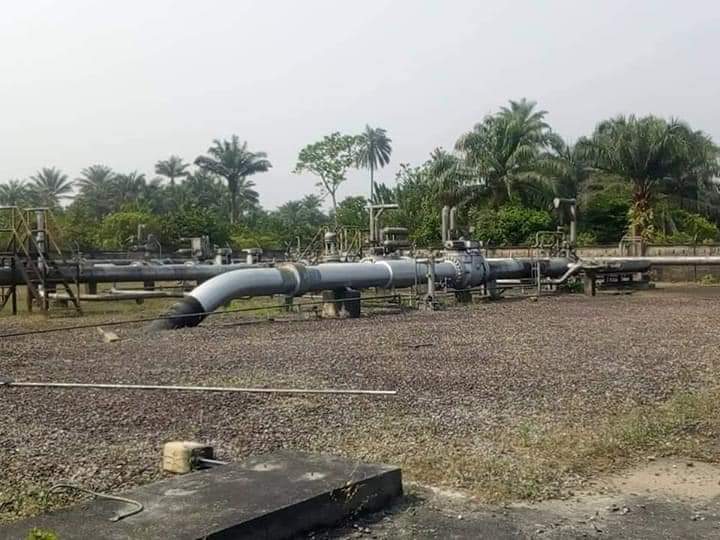
Because of their Igbo identity, Ohaobu Ndoki people have faced marginalisation within the state. This includes disputes and power struggles over the major gas facility located in the community. These issues continue to shape their political and economic reality—a topic that I will break down in future discussions.
The existence of Ohaobu Ndoki proves without doubt that Igbo people are indigenous to Akwa Ibom State. Their resilience, language, and culture have survived boundary adjustments, political pressures, and attempts at cultural erasure. Today, they stand as a testament to the deep and widespread presence of the Igbo nation across Nigeria.
Akwa Ibom is indeed a multi-ethnic state, and Igbo is one of its original ethnic groups.